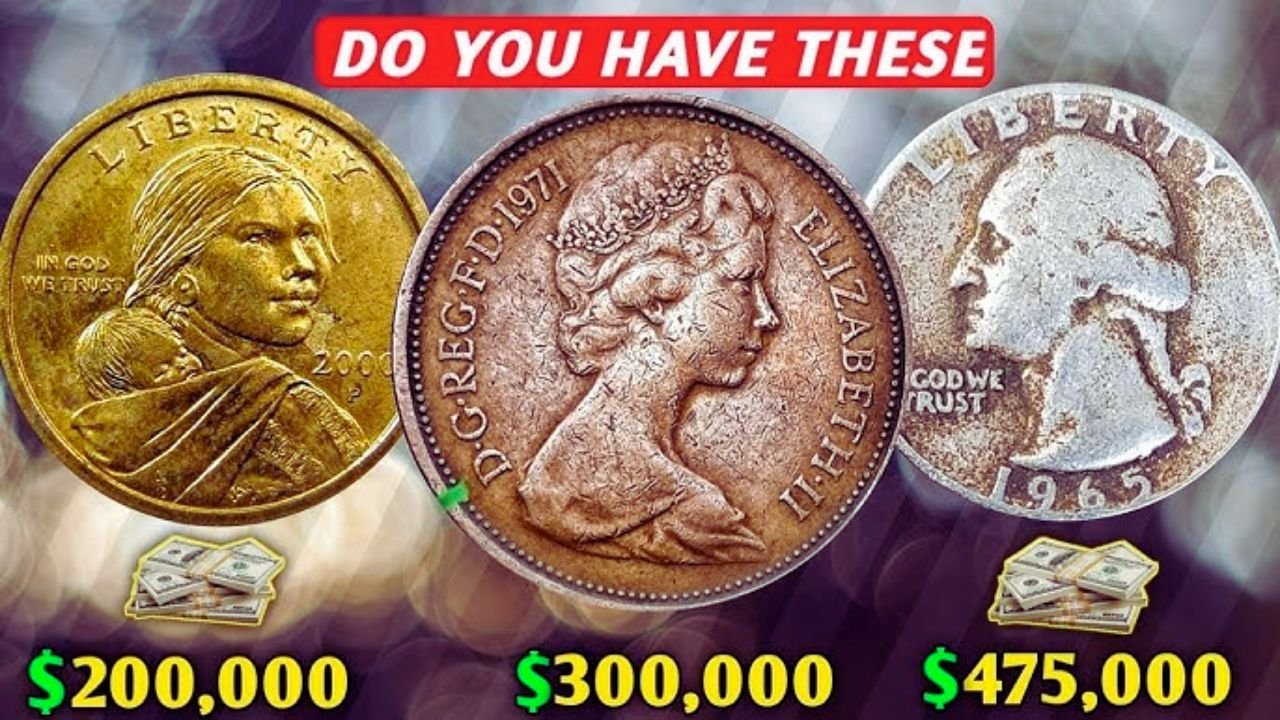
In the world of coin collecting, everyday money can turn into a huge treasure because of a simple mistake at the mint. That’s what happened with a special Sacagawea dollar from 2000. This coin, meant to honor a famous Native American woman, ended up with a rare error that made it worth $1.2 million. Collectors were shocked when it sold at auction, proving that sometimes the biggest fortunes hide in plain sight. Stories like this keep people checking their pocket change, hoping to spot the next big find.
The Story Behind the Sacagawea Dollar
The U.S. Mint rolled out the Sacagawea dollar in 2000 to replace the old Susan B. Anthony coin. It features Sacagawea, the Shoshone guide who helped Lewis and Clark on their big expedition across America. She’s shown carrying her baby son on her back, with an eagle flying on the other side. The coin has a golden look from its mix of metals, but it’s not real gold. It’s made of copper with a brass coating. Millions were made, and most are still worth just one buck today. But the mint wanted to get folks excited, so they teamed up with Cheerios cereal for a fun giveaway. They put 5,500 of these new dollars into cereal boxes as prizes. That promotion turned out to be key to the error story.
How the Error Happened
During the rush to make these coins, a few got struck on the wrong metal blanks. Instead of the usual brass mix, some ended up on 22-karat gold planchets meant for other special coins. These gold versions were prototypes with extra detail on the eagle’s tail feathers, higher and sharper than the normal ones. Only a handful are known to exist, and they slipped out by accident through the Cheerios boxes. Experts call this a “planchet error,” where the wrong base metal gets used. The mint never meant for these gold ones to hit the public, but a mix-up let them escape. One lucky person found theirs thinking it was just a cheap token or arcade prize at first.
The Big Discovery and Proof
Years after the promotion, collectors started noticing differences in those Cheerios coins. Some had that special high-relief eagle design, and tests showed a few were solid gold underneath. One standout example got checked by pros using metal scans and old mint records. It graded as Specimen 66, meaning it’s in great shape with no big scratches. Stories say it was spotted in everyday change or even at a gas station, mistaken for a quarter or fake money. Once authenticated by groups like PCGS, its true value came out. This coin wasn’t just rare; it mixed history, a mint goof, and a cereal ad into one amazing piece.
| Specification | Normal Sacagawea Dollar | Gold Error Version |
|---|---|---|
| Composition | Copper core with manganese brass clad | 22-karat gold |
| Weight | 8.1 grams | About 8.1 grams |
| Diameter | 26.5 mm | 26.5 mm |
| Mintage Year | 2000 | 2000 (prototype) |
| Known Examples | Millions | Fewer than 12 |
Why It’s Worth So Much
What makes this error coin hit $1.2 million? It’s all about being super rare, in top condition, and tied to a cool backstory. Regular Sacagawea dollars sit at face value, but errors like this drive prices sky high at auctions. Bidders fought over it in a private sale, setting a record for modern U.S. coins. Collectors love the thrill of the hunt, and this one shows how a tiny mistake can create huge wealth. Similar errors, like mule coins with mixed designs, sell for $100,000 or more, but the gold planchet takes the top spot.
Lessons for Everyday Collectors
This Sacagawea story reminds us to look closely at our coins. Check for odd colors, extra details on the eagle, or unusual weight. If you have a 2000 coin from a Cheerios box, get it appraised by a trusted expert. Not every one is gold, but even the high-relief versions can fetch thousands. Coin hunting is fun and open to anyone, no fancy tools needed. Just a good eye and some luck could turn your spare change into a fortune. Who knows what other treasures are still out there, waiting in drawers or vending machines?